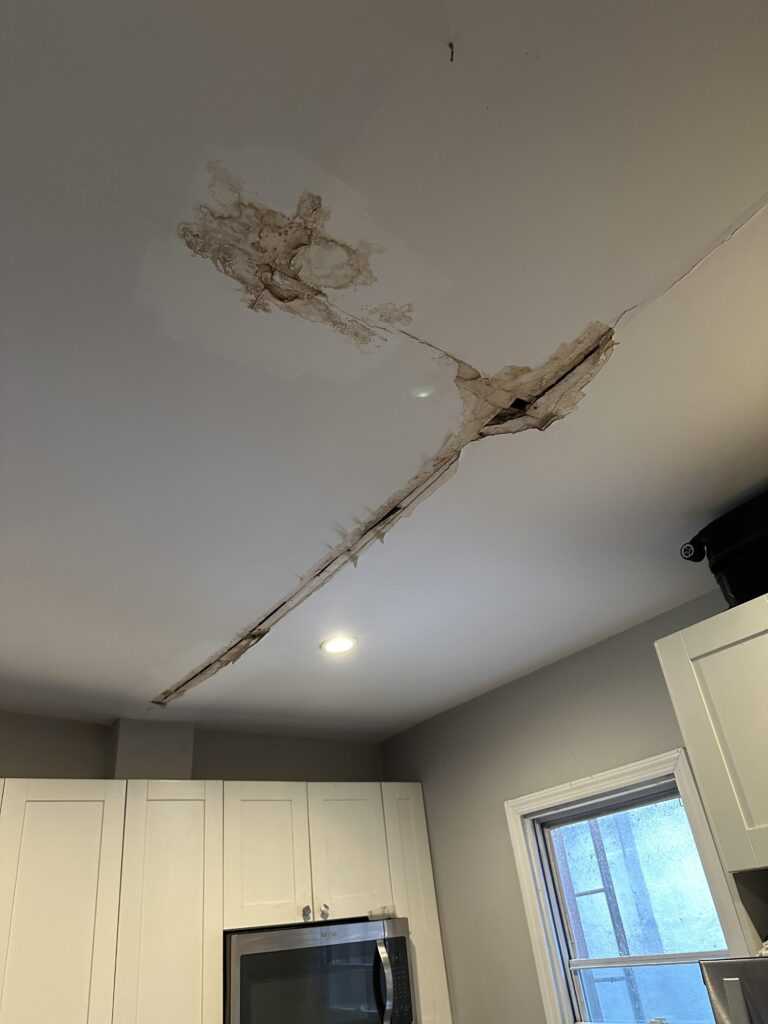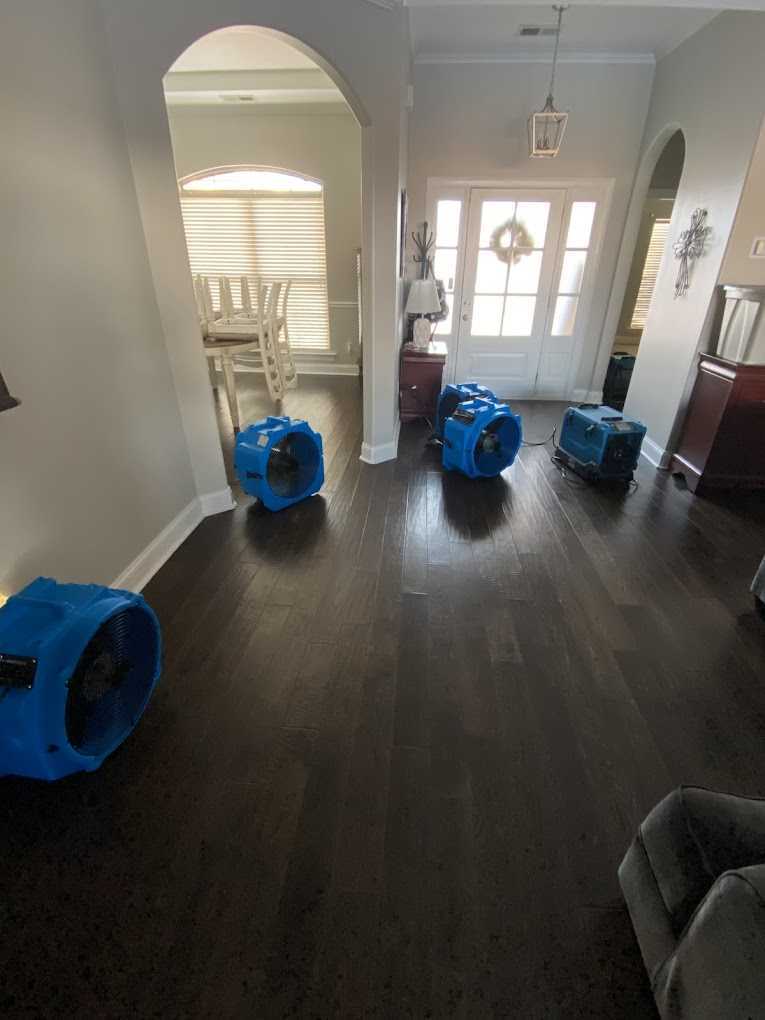
Water damage can happen without warning and quickly disrupt daily life. A burst pipe, appliance leak, roof failure, or flooding event can send water into floors, walls, and structural materials before there is time to react. Knowing what to do immediately after water damage occurs can make a major difference in limiting damage and protecting your home.
Homes in Laconia are especially vulnerable to water related issues due to seasonal weather changes, aging plumbing systems, and heavy rainfall. Taking the right steps early helps reduce repair costs, shortens recovery time, and prevents secondary issues such as mold growth or structural deterioration. Just as important is knowing what actions to avoid, since well meaning mistakes can make damage worse.
Step One Ensure Safety First
Before addressing any water damage, personal safety must come first. If water has entered living spaces, there may be electrical hazards, weakened flooring, or contaminated water present. If the water source is still active, shutting off the main water supply can help prevent additional damage.
In cases where water is near electrical outlets or appliances, it is best to avoid contact until power can be safely turned off. Standing water may also hide sharp objects or unstable surfaces. Making sure the environment is safe before taking further action helps prevent injury during an already stressful situation.
Step Two Stop the Source of Water If Possible
Once it is safe to do so, stopping the source of water is critical. This may involve turning off a supply valve, shutting down the main water line, or addressing a visible leak. If the water is coming from an appliance or fixture, stopping the flow helps limit how much water spreads through the home.
In some situations, such as roof leaks or flooding from heavy rain, the source may not be immediately controllable. In these cases, the focus should shift to protecting unaffected areas and preparing for water removal as soon as conditions allow.
Step Three Protect Belongings and Valuables
After the water source is controlled, removing personal belongings from affected areas can help prevent further loss. Furniture, electronics, documents, and sentimental items should be moved to a dry location whenever possible.
In Laconia homes, water damage often spreads quickly through flooring and lower wall areas. Elevating items off the floor or relocating them entirely can reduce damage and make cleanup easier later. Avoid stacking wet items together, as this can trap moisture and lead to additional deterioration.
Step Four Document the Damage
Documenting water damage is an important step that is often overlooked in the rush to clean up. Taking clear photos and notes of affected areas helps create a record of what occurred and how extensive the damage is.
This documentation can be useful later when evaluating repairs or coordinating next steps. Capturing images before cleanup begins helps ensure that no details are missed once water removal and drying start.
Step Five Begin Light Water Removal If Safe
If conditions are safe and water levels are manageable, light water removal can begin. This may include using towels, buckets, or wet vacuums to remove standing water from floors. The goal at this stage is not full drying but reducing excess water while waiting for professional restoration.
Homeowners should avoid aggressive drying methods or dismantling materials at this stage. Improper handling can spread moisture further or damage materials that may otherwise be salvageable with professional drying.
Step Six Increase Airflow Carefully
Improving airflow can help slow moisture buildup while waiting for professional assistance. Opening windows or doors when weather allows can help moisture escape. Fans can also be used to circulate air, but they should be placed carefully and not directed into wall cavities or enclosed spaces.
In homes throughout Laconia, humidity levels can remain high after water damage. While airflow helps, it is not a substitute for professional drying equipment designed to remove moisture from building materials.
What to Avoid After Water Damage
Just as important as knowing what to do is understanding what actions to avoid. Some common mistakes can worsen damage or create new problems that delay recovery.
One major mistake is assuming the damage is limited to visible water. Moisture often spreads behind walls, under flooring, and into insulation. Ignoring these areas allows damage to continue even after surfaces appear dry.
Another mistake is delaying professional help. Waiting too long to address water damage increases the risk of mold growth and structural deterioration. Even a short delay can significantly expand the scope of repairs needed.
Avoid Using Household Drying Methods Alone
Household fans and heaters are not designed to fully dry a water damaged home. While they may dry surfaces, they do not remove moisture trapped deep within materials. Using excessive heat can also warp wood, crack drywall, or cause uneven drying that leads to long term damage.
Professional drying focuses on controlled airflow and humidity management. Relying solely on household tools often results in incomplete drying and hidden moisture problems.
Avoid Removing Materials Without a Plan
Tearing out drywall, flooring, or insulation without understanding the extent of moisture can make restoration more difficult. Removing materials prematurely can spread moisture, expose additional surfaces, or damage areas that could have been restored.
A proper assessment helps determine which materials can be dried and which must be removed. Acting without a plan can increase repair costs and prolong the recovery process.
Avoid Ignoring Odors or Dampness
Musty odors or lingering dampness are signs that moisture remains in the home. Ignoring these signals allows conditions to worsen over time. Odors often indicate microbial growth or material breakdown that will not resolve without proper drying.
Addressing these issues early helps prevent more extensive damage and protects indoor air quality.
Why Timing Matters
Water damage becomes more difficult to address the longer moisture remains present. Materials weaken, contamination spreads, and drying becomes less effective as time passes. Early action reduces damage and supports a smoother restoration process.
In Laconia, where seasonal weather can influence drying conditions, prompt response is especially important. Acting quickly helps limit how far moisture travels and reduces the likelihood of secondary issues developing.
Preparing for Professional Restoration
Once immediate steps are taken, professional water damage restoration can address the full scope of damage. This includes moisture detection, controlled drying, and monitoring to ensure all affected areas are restored properly.
Preparing the home by clearing access to affected areas and sharing documentation helps streamline the restoration process. Clear communication and early action support better outcomes and faster recovery.
Final Thoughts
Water damage can feel overwhelming, especially in the moments immediately after it occurs. Knowing what steps to take and what mistakes to avoid helps homeowners protect their property and reduce stress during an already difficult situation.
By focusing on safety, stopping the source, documenting damage, and avoiding common errors, homeowners can set the stage for effective restoration. Prompt and informed action helps ensure that water damage is addressed properly and that the home can be returned to safe and functional condition.